
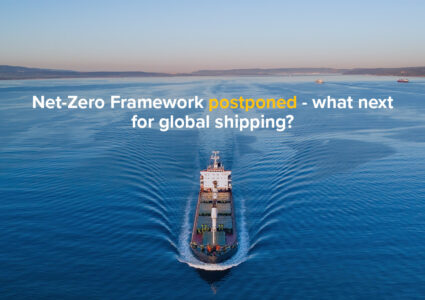
Last week’s decision at the IMO to adjourn the formal adoption of the Net-Zero Framework (NZF) raises the risk of increased regulatory fragmentation and the possibility that FuelEU will expand in scope. What investment decisions should owners make in the face of such huge regulatory uncertainty?
Discovery & Execution

Carbon Price Discovery & Execution
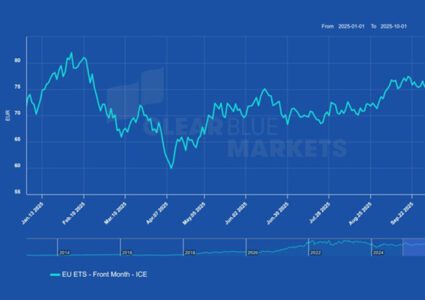
The cost of carbon in goods and supply chains is impacting the economics of freight.
Understanding carbon market pricing dynamics will be fundamental to quantify and manage this additional financial exposure as environmental policies and regulations intensify under consumer pressure.
Working closely with our carbon market specialist partner ClearBlue Markets.
We offer compliance and voluntary carbon markets advisory, research reports and insights, fundamental and technical analysis, proprietary carbon prices forecasting, bespoke carbon position strategy development, implementation, and risk management. This is combined with direct carbon markets access for seamless broking and execution.
More about IG Sustainability
IG SUSTAINABILITY
Working towards a zero-carbon maritime industry
2024 EUA Surrender: Did shipping pass its first compliance test?
Shipping now pays directly for its emissions and carbon has a price. IG’s Head of Sustainability Trifon Tsentides looks at how the industry can best manage the financial implications of compliance.
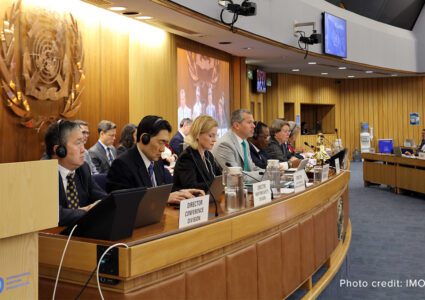
The IMO’s net-zero framework and the road ahead for global shipping
The IMO has adopted a draft amendment to Annex VI of the MARPOL Convention approving a Net-Zero shipping policy framework by or around 2050. Set to take effect in 2028, the “J9 Bridge” style scheme as it is known, sets out a two-tiered carbon pricing mechanism & fuel standard, which if adopted late this year, will make shipping the first industry of any to have a global carbon price agreed with internationally mandated emissions reduction targets.